What is the difference between a helpful AI tool and a trusted adult? How do you spot a digital footprint—or a fake fact online?
Students across all grade levels at Chagrin Falls Intermediate School tackled these questions during Digital Citizenship Week, taking part in hands-on activities focused on online safety, digital etiquette, and the smart use of artificial intelligence.
With generative AI becoming increasingly common in classrooms and home devices, Instructional Technology Coach Molly Klodor led grade-level lessons to help students understand how these tools actually work. Fourth graders were introduced to AI as a "prediction machine" rather than a foolproof encyclopedia. In a "Fact-Checker Arena" activity, students learned to identify AI "hallucinations"—instances where a computer confidently outputs wrong information—and practiced a "Rule of Two" to double-check AI answers using books or a teacher.
Fifth graders explored where AI fits into daily life, evaluating scenarios to see where chatbots can help (like explaining a tricky math concept) and where they fall short. The key takeaway: while an AI tool can help brainstorm ideas, it can never replace teachers, parents, doctors, or real-life friends. Meanwhile, sixth graders compared basic narrow AI to generative AI, debating class guidelines on academic honesty and learning why relying on automated search overviews can undermine their own learning.
In tandem with the AI lessons, guidance teacher and school counselor Annie Schluep guided students through foundational internet safety and digital literacy. Using the concept of a "digital footprint," students explored how online actions leave a lasting trail.
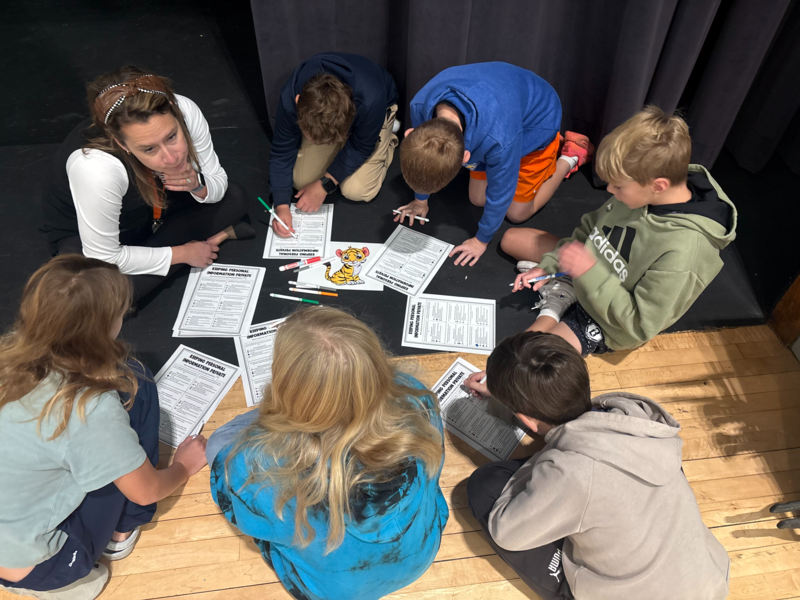
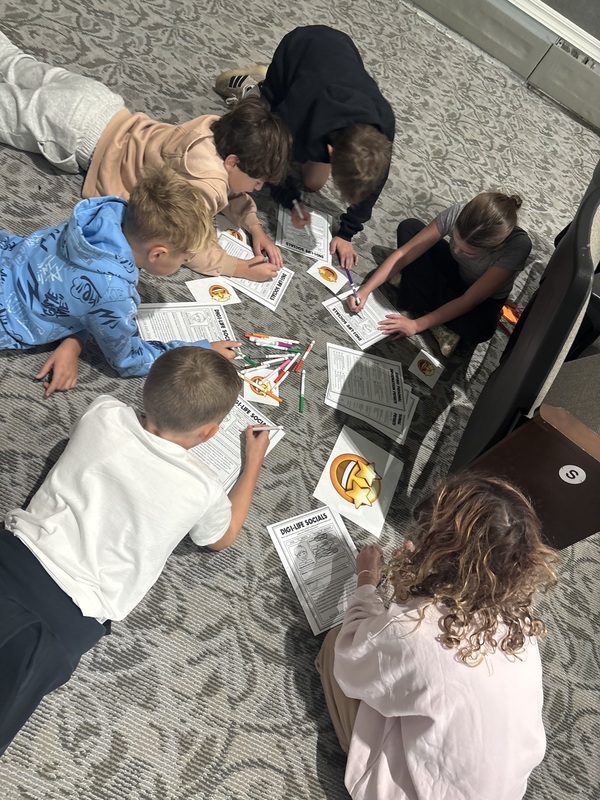
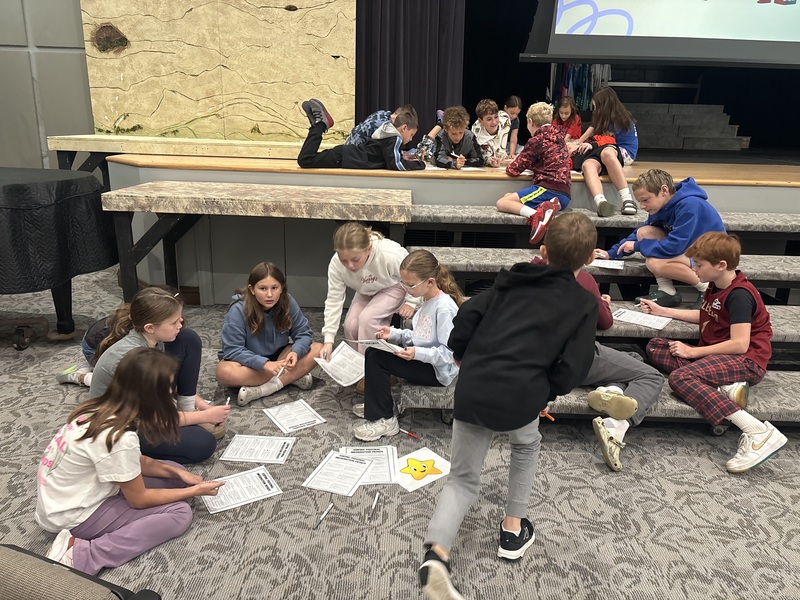
Through small-group activities, students reviewed mock profiles to spot risky habits—such as sharing full names, home addresses, or school locations. Schluep’s lessons also covered cyberbullying, group chat etiquette, and recognizing online harms. Throughout the week, educators emphasized one underlying rule for all digital spaces: when in doubt, step away and talk to a parent, teacher, or trusted adult.